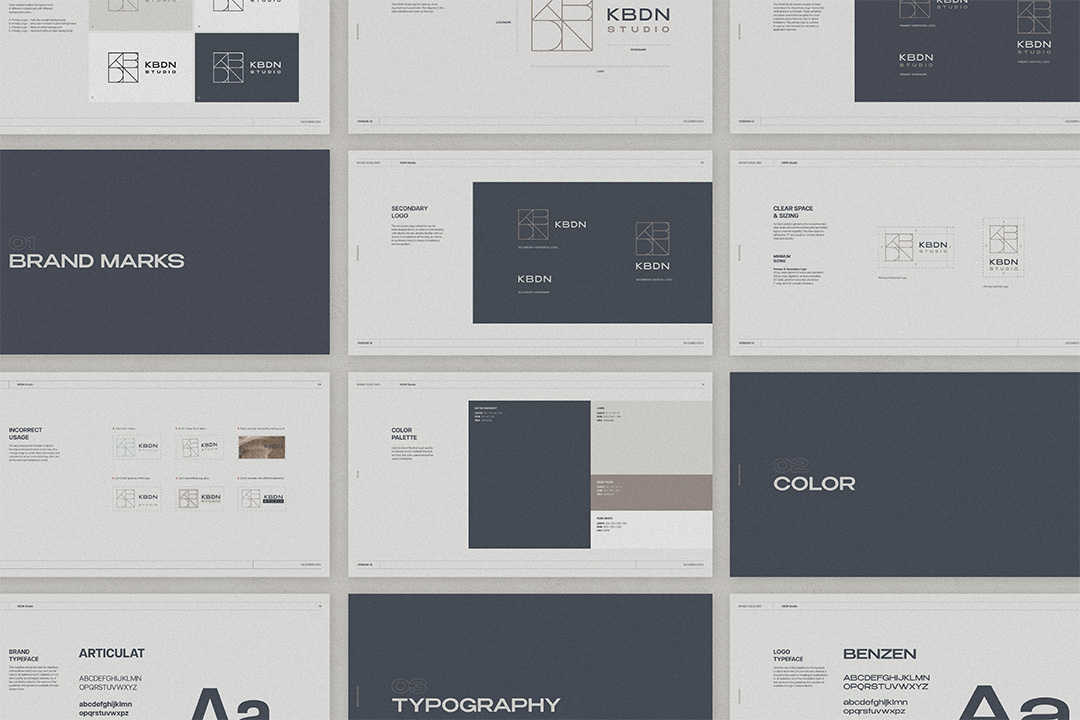
Some business decisions have a clear right answer. Rebranding usually isn't one of them. Done at the right time, a rebrand can reshape how people see your business, attract better-fit customers, and create momentum that carries you into your next stage of growth. Done for the wrong reasons or at the wrong time, it can confuse your audience and erase years of hard-earned brand recognition. So how do you know the difference? How do you separate a genuine need for change from a moment of doubt (that was likely intensified by a slow quarter)? And how do you make sure that when you do make the move, you make it the right way?
When Is It Time to Rebrand? Signs Your Brand Needs a Refresh

Insight
What Is Rebranding Really About?
A rebrand isn't just changing your logo or picking a trendier color palette. True rebranding means rethinking your brand image and identity from the ground up—how you think, how you act, and how you connect with your audience.
It's about realigning your business with the way you want to be perceived. That could mean refining your messaging, updating your visual identity, repositioning your services, or revisiting the values that shape your customer experience. Sometimes it's subtle. Sometimes it's a complete overhaul.
Either way, the goal isn't change for the sake of change. It's making sure your brand accurately reflects the business you've become.
7 Clear Signs It's Time to Rebrand
1. Your Brand Feels Outdated
Markets move fast. What felt fresh five years ago might look stale today. If your brand aesthetic, messaging, or positioning feels disconnected from current trends and customer expectations, it's a strong signal to consider rebranding. This doesn't mean chasing a design trend. It means asking whether your brand still feels credible and current to the people you're trying to reach.
Look at your competitors. Are they speaking to the same audience in ways that feel more current? Are their visual identities more engaging? Sometimes the answer of when to rebrand is simply "when everyone else has moved forward, and you haven't."
2. You're Targeting a New Audience
Businesses grow, and audiences change with them. Maybe you've moved from serving startups to enterprise clients. Maybe you've expanded into new markets or shifted from B2B to B2C. Whatever the reason, the messaging that connected with your original audience may not resonate with the one you're targeting now.
If your ideal customer has changed, your brand may need to evolve, too.
3. Your Business Model Has Significantly Changed
Many companies don't look anything like they did when they launched. What began as a simple service might have grown into a comprehensive platform. But if your branding still reflects the version of your business from five years ago, you're creating unnecessary friction. People shouldn't have to work to understand what you do or why you're different. A strong brand keeps pace with the business behind it.
4. You're Trying to Leave Old Perceptions Behind
Sometimes a brand carries baggage. Maybe there was a PR crisis. Perhaps previous leadership made decisions that tarnished the brand's reputation. Or maybe you've simply outgrown associations that no longer serve your goals.
A strategic rebrand can help you shed negative perceptions and start fresh. However, this requires careful planning and authentic change...not just cosmetic updates.
5. Growth Has Started to Stall
If your marketing is improving but results aren't, your brand could be part of the problem.
When your positioning feels generic, or your messaging no longer resonates, it becomes harder for every other marketing effort to do its job. Ads become less effective. Sales conversations get longer. Referrals slow down. Sometimes the issue isn't your marketing strategy. It's the brand supporting it.
6. Your Business Is Going Through a Major Change
Mergers, acquisitions, new leadership, expanded service offerings, or a complete shift in direction all raise the same question: does your current brand still fit? Major business milestones often deserve a brand that reflects where the company is going—not just where it's been.
7. Your Team Doesn't Believe in the Brand
Your employees are your first brand ambassadors. They interact with your brand every day. If they struggle to explain what your company does, hesitate to share your website, or don't feel excited representing the business, that's a problem worth paying attention to. The best brands create alignment internally before they build recognition externally.
The Rebranding Process: Getting It Right
Recognizing the need for a rebrand is only the beginning. The real work is making sure it's built on strategy instead of instinct (though we love a little of that too).
Start With the Right Questions
Before changing anything, ask why. What's no longer working? What are you hoping a rebrand will accomplish? Are you trying to reach a different audience, clarify your positioning, or better reflect your business today? Clear answers make every decision that follows easier.
Involve Your Audience
Your customers have already formed opinions about your brand. That's valuable information.
Research, surveys, interviews, and customer feedback can reveal what's worth keeping and what needs to change. The goal isn't to reinvent everything, but instead to preserve the parts people already trust while improving the areas that no longer serve your business.
Plan for Implementation
Rebranding isn't just about creating new assets. You need rollout strategies, employee training, customer communication plans, and timeline management. You should think about touchpoints like digital properties, physical locations, marketing materials, employee training and customer communication.
Working with Rebranding Professionals
Most businesses benefit from external expertise when tackling major rebrands. Experienced agencies bring objective perspectives, proven processes, and specialized skills.
Look for partners who understand your industry, demonstrate strategic thinking, and have a history of great rebranding projects. Wanna see how rebranding can make a difference? Check out some of our work at MESH.
Making the Decision
Ultimately, knowing when to rebrand comes down to looking at your business honestly.
Is your brand helping you grow or quietly holding you back? Does it still reflect who you are? Does it connect with the customers you actually want to attract?
Still unsure? Here are final rebranding tips for making this decision:
- Audit your current brand performance against business goals
- Research your competitive landscape thoroughly
- Survey your customers and employees for honest feedback
- Calculate the true cost of rebranding versus status quo
- Plan for long-term sustainability, not quick fixes
Ready to Explore Rebranding?
The best rebrands are driven by clarity.
If you're asking when to rebrand, chances are you've already noticed that something feels out of sync. The next step is figuring out whether a refresh is enough or whether it's time for a bigger shift.
At MESH, we help businesses answer that question with strategy first and design second. If you're ready to explore what's next, let's have a conversation.