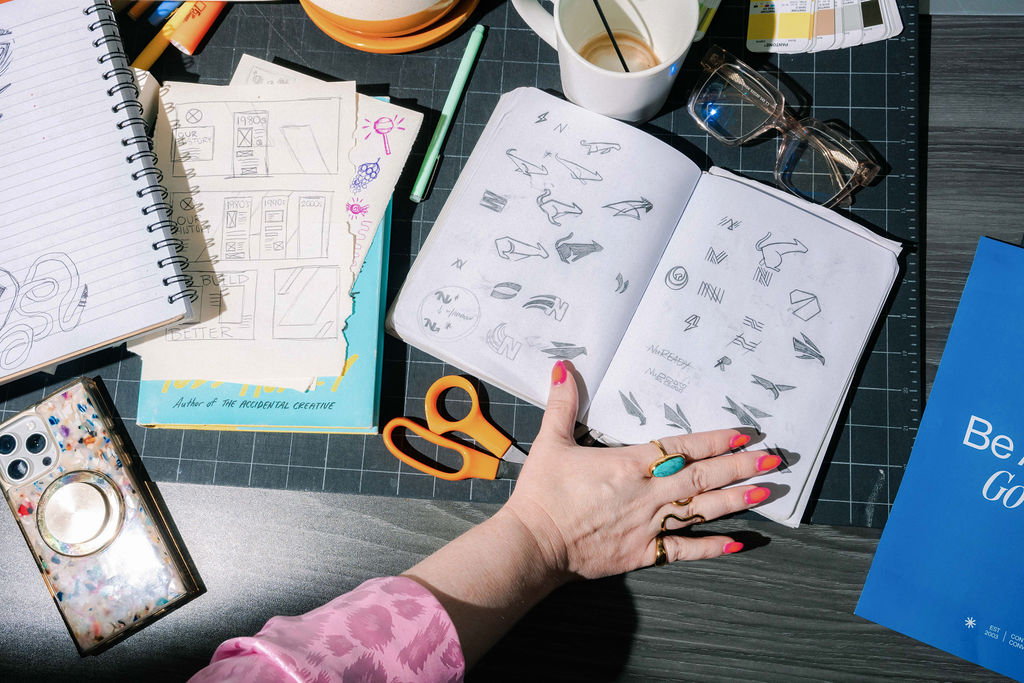
The best creative teams have a secret. They can hand a project to any team member, and it comes back looking and sounding like it came from the same person with the same energy, voice, visual instincts and all. They don’t rely on memory, instinct, or “just knowing the vibe.” They rely on alignment. And that alignment usually comes from one thing: solid brand guidelines. Not the bloated PDF nobody opens. Not the forgotten folder buried in Google Drive. The good ones are clear, practical, and built for real day-to-day decisions.
Creating Brand Guidelines Your Team Will Really Use
Insight
When brand guidelines work properly, they disappear into the workflow. Designers don’t second-guess layouts. Writers don’t reinvent tone every time they open a doc. Marketing doesn’t drift off-brand depending on who’s working that day.
It just feels consistent across everything.
Why Brand Guidelines Matter More Than Ever
Consistency used to be a “nice to have.” Now it’s the baseline.
Every touchpoint—your website, emails, ads, social posts, sales decks—shapes how people perceive your brand. And they don’t separate those experiences. To your audience, it’s all one brand. So when things don’t match, it shows.
Brand guidelines are what close that gap. They turn your identity into something operational. Something that actually survives contact with real projects, real deadlines, and real people making decisions at speed. Done right, they don’t restrict creativity. They focus it.
Essential Elements of Good Brand Guidelines
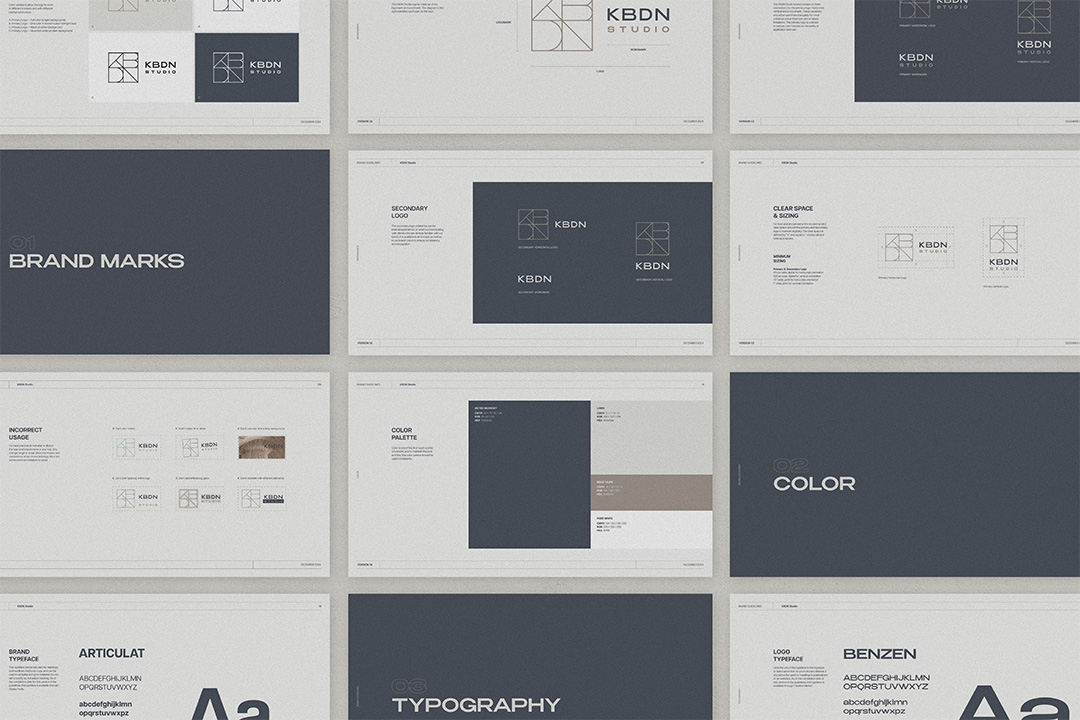
Visual Identity Standards
This is the most obvious section, but it’s also where most guidelines stop being useful if they’re not done properly. At a minimum, you need clarity on:
- Logo usage and variations: Include primary logos, secondary marks, and when to use each
- Color palette: Specify exact color codes (HEX, RGB, CMYK) for both digital and print
- Typography: Define primary and secondary fonts with usage guidelines
- Imagery style: Establish photo and illustration standards that reflect your brand personality
Voice and Tone Guidelines
How your brand sounds is just as important as how it looks. This is where the framework really comes to life:
- Brand personality: Define your brand's character traits
- Tone variations: Show how your voice adapts across different platforms and situations
- Language dos and don'ts: Provide specific examples of words and phrases to use or avoid
- Sample content: Include examples that demonstrate your voice in action
This foundation becomes crucial when developing your content marketing strategy, ensuring every piece of content feels authentically on-brand.
Real-World Application
If you want to see guidelines truly shine, practical usage is the way to go. Include real-world examples of things like email templates, post formats and website layouts. These help team members understand not just what to do, but how to do it correctly. And from a starting point like this one, the guidelines can get even better.
How to Make Brand Guidelines Your Team Will Use
Keep It Simple and Accessible
The best brand guidelines are the ones people actually reference. Avoid creating a 200-page document that overwhelms your team. Instead, focus on clear and concise documents so it’s not a pain to read.
Consider creating different versions for the various roles on your team. For example, your design team might need detailed technical specifications, while your sales team needs quick reference cards when speaking to clients.
Make It Digital and Interactive
Static PDFs are bland and not fun to keep in mind. Modern teams need guidelines that are searchable and easy to navigate. They also need to be updated in real-time and accessible from anywhere, with downloadable assets.
This approach is especially important when coordinating your digital marketing efforts across multiple platforms and team members.
Include the 'Why' Behind the Rules
When people understand the reasoning behind brand guidelines, they're more likely to follow them. Explain how each element supports your brand strategy and contributes to business goals.
For example, don't say "always use Azure Blue for headers." Instead, explain that this color choice reinforces trust and maturity for the brand. You can apply this to any key elements that resonate with your target audience.
Creating Brand Guidelines: A Step-by-Step Approach
Step 1: Audit Your Current Brand Assets
Start by gathering everything you currently have. Look at all of your brand touchpoints, from your website's landing page to the captions in social media posts. This audit will help you identify gaps in similarity and areas that need clarity.
Step 2: Define Your Brand Strategy
Before diving into design details, ensure you have a solid understanding of your brand, such as:
- Mission and values
- Target audience
- Competitive positioning
- Brand personality
Step 3: Develop Your Visual System
With your strategy in place, create the visual elements that will represent your brand. This includes your logo, color palette, typography and imagery style.
Step 4: Establish Your Voice Guidelines
Define how your brand should feel and sound across different channels and situations. This strategy should align with your overall marketing approach.
Step 5: Create Application Examples
Develop real-world examples that show your guidelines in action. Showing its practical side makes it easier for team members to apply the guidelines correctly.
Step 6: Test and Refine
Share your draft guidelines with key team members and gather feedback. Look for areas of confusion or gaps in guidance, then refine.
Maintaining Your Brand Guidelines Over Time
Brand guidelines aren’t a one-time project. They’re a system that needs maintenance. To keep them effective, you need to:
- Review regularly: Schedule quarterly reviews to ensure guidelines stay current
- Update as needed: Add new applications as your business grows
- Train your team: Conduct onboarding sessions for new team members
- Monitor compliance: Regularly check that guidelines are being followed
- Gather feedback: Listen to user feedback and make improvements
Your Next Steps
Great brands are built with intention. They show layered consistency. And they have a clear framework that keeps every person on the team aligned. Brand guidelines are what make that possible. They reduce guesswork, align teams, and keep the brand from drifting every time someone new touches it.
At MESH, we help you build that framework. We dig into what makes your brand unique. Then, we translate it into something easy to use. We'll make sure your whole team can run with it confidently, from your most senior creative to your newest hire. Because the best brand guidelines aren't the ones that look good in a folder. They're the ones that live on every desk, drive every decision and keep your brand unmistakably yours.
Ready to build something your team will actually use? Let's work together and create a framework that drives consistency across every touchpoint.