A website redesign is a serious undertaking for any business, big or small. It touches your marketing, sales process, SEO, customer experience, and often the way people perceive your brand as a whole. That's why redesigns have a habit of snowballing. What starts as "we need a fresher website" quickly becomes rewriting copy, reorganizing services, updating photography, and debating navigation for three weeks. That's not a bad thing. It just means the work starts long before anyone opens Figma. This website redesign checklist covers the planning that should happen before design begins, helping you avoid expensive surprises and build a site that's designed to perform—not just impress.
Website Redesign Checklist: What to Plan Before You Start
Insight
1. Start With Strategy, Not Aesthetics
The biggest mistake brands make is jumping straight into design. A new look means nothing if it isn't rooted in purpose. Before anything else, you need to align your website with your broader brand strategy and business goals.
Define What Success Looks Like
"Better website" isn't a measurable goal. Instead, identify the outcomes you're actually trying to improve:
- More qualified leads
- Higher conversion rates
- Better search visibility
- Faster page speeds
- Lower bounce rates
- Easier content management
If you can't define success upfront, it'll be difficult to know whether the redesign actually worked.
Understand Your Audience
Every great website redesign strategy begins with listening to your customers, your team and your data.
Your analytics already tell part of the story. Where are people dropping off? Which pages perform best? What questions keep showing up in sales calls? What are customers struggling to find? Pair that data with customer conversations and internal feedback. The best websites are built around user behavior, not internal assumptions.
Clarify Your Positioning
Your website is your most visible brand asset. If you're fuzzy on how you're positioning your business in the market, your redesign will reflect that confusion. Lock in your value proposition before you write a single line of copy.
2. Conduct a Full Website Audit Before Redesign
One of the biggest mistakes we see is rebuilding everything from scratch without understanding what's already working. You can't know where you're going until you understand where you've been. Every existing website contains useful data. Your job is figuring out what deserves to come with you.
Review Your Current Content
Inventory every page. Identify what's performing, what's outdated, and what can be cut entirely. Not everything deserves to make it to the new site. A leaner, more focused site almost always outperforms a bloated one.
Audit Your Technical Performance
Check page speed, mobile responsiveness, Core Web Vitals, broken links and crawl errors. These UX issues directly affect your search rankings. Tools like Screaming Frog, Google Search Console, and PageSpeed Insights are your friends here.
Audit Your Analytics
Your data should influence priorities.
Identify the pages bringing in the most traffic, the pages converting visitors into leads, and the places where users consistently leave. Those insights deserve more attention than anyone's personal design preferences.
3. Build Your Website Redesign Requirements Gathering Process
This is where most projects go sideways. Skipping proper website redesign requirements gathering leads to scope creep, missed deadlines, and a final product that doesn't actually serve the business.
Define the Scope of Work
Your website redesign scope of work should cover everything: number of pages, integrations, CMS platform, third-party tools, accessibility standards and content responsibilities. Who's writing the copy? Who's supplying photography? Who approves final designs? Get it in writing.
Align on Brand Identity
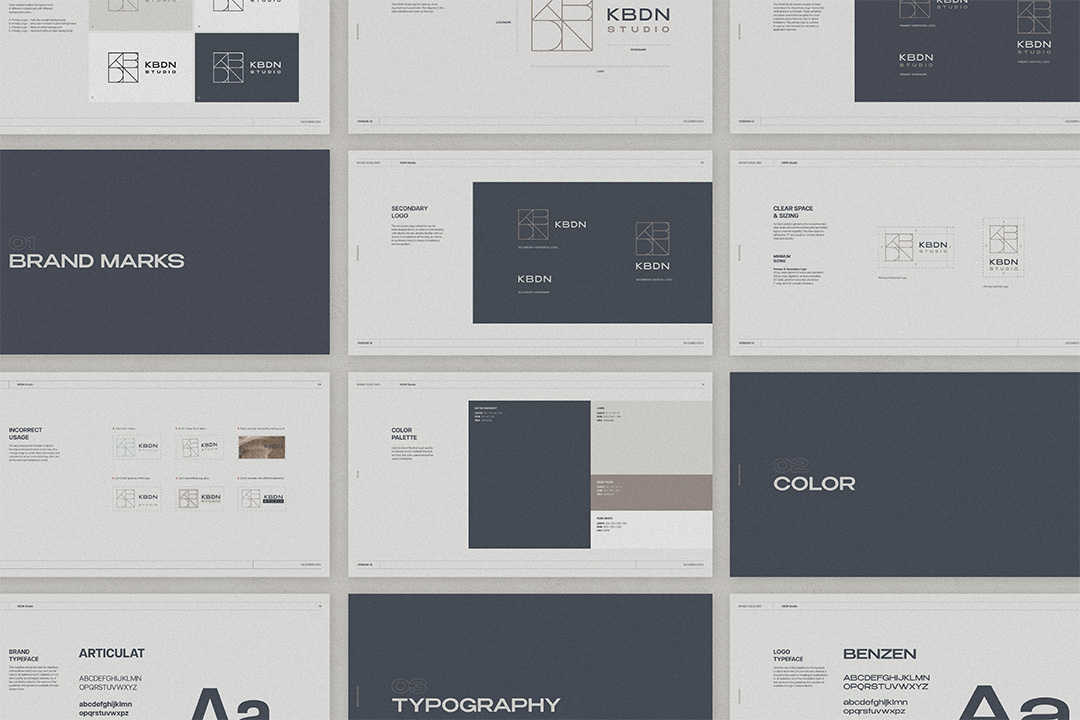
Your redesign is a prime opportunity to sharpen how your brand shows up visually and verbally. Make sure your brand identity — your logo, color palette, typography, tone of voice — is documented and agreed upon before design begins. Redesigning without this foundation creates inconsistency across every touchpoint.
Plan Your Content Strategy
Content is not a last-minute task. It drives structure. Your content marketing approach should inform your site architecture, SEO strategy and page-level messaging from day one. Map content to user intent, not just to internal team preferences.
4. Protect Your SEO During the Redesign
SEO considerations for website redesign deserve their own section. This is where even experienced teams drop the ball. A redesign that ignores SEO can wipe out years of organic growth overnight.
Map Your Current URLs and Rankings
Before you restructure anything, export your current URL list alongside their rankings, backlinks and traffic data. This becomes your reference point for the entire website redesign migration checklist.
Plan Your Redirects Early
Every URL that changes needs a 301 redirect to its new equivalent. This isn't optional. Missing redirects mean broken links, lost link equity and confused users. Build your redirect map before launch, not after.
Preserve On-Page SEO Elements
This means your title tags, meta descriptions, header structures, alt text and internal linking. All of it needs to carry over with its proper position and purpose. Don't let a developer migration strip out your SEO work. Audit the new site against the old one before you go live.
Test Before You Launch
Use a staging environment to run a full crawl of the new site. Check for crawl errors, duplicate content, missing metadata and broken internal links. Your website redesign migration checklist should include a sign-off from both your development and SEO teams before anything goes public.
5. Make Your Brand Feel Like a Brand
A technically sound website that feels generic won't get your brand where it wants to go. The brands that win online are the ones that feel distinct, credible, and personal while organizing their information in a way that’s both intuitive and helpful.
Focus on making your brand unique and personable throughout every page. That means real photography over stock images, copy that sounds like a person wrote it and a user experience that respects the visitor's time and intelligence.
When you know how to plan a website redesign with this level of intentionality, you'll have both a new website and a much stronger business asset.
Your Website Redesign Checklist: The Short Version
Here's a quick-reference summary of what to cover before you build:
- Strategy: Define goals, audience insights, and market positioning
- Audit: Review content, technical performance, and analytics
- Requirements: Document scope, brand identity, and content ownership
- SEO: Map URLs, plan redirects, and protect on-page elements
- Brand: Ensure visual and verbal consistency across every page
- Launch: Test on staging, get team sign-offs, monitor post-launch
Ready to Redesign the Right Way?
Your website is often the first impression your business gets—and for many people, it's the only one. So before you redesign it, make sure you're solving the right problems.
A stronger visual identity won't fix confusing messaging. Better photography won't improve a poor user journey. And the latest design trend won't replace a clear strategy.
Get the foundation right first. The design becomes much easier from there.
That's where MESH comes in. We help businesses connect strategy, branding, content, and design to create websites that don't just look polished—they perform. If you're ready for a website that reflects where your business is today (and where it's headed next), we're ready to help.